

To The Heavy-Laden

Good morning everybody. Lovely to—I didn't think there'd be anybody here today. So, it's lovely to see you. Let me pray. Our heavenly father, we thank you for your love and care of us. We pray for Greg and Kath in particular as they travel back to us. And we pray for any loved ones who are traveling at this time. We pray that you'll keep them safe as we turn heavenly father to your word. We pray that we may have the enlightenment of your holy spirit. We ask in Jesus name, amen.
Can you hear me okay? Matthew chapter 11; you might like to turn it up, it's page 965. It's a long chapter, so we're not dealing with all of it. But in this chapter, Matthew writes about Jesus and it reveals Jesus as the one who cares, and I want to dwell on that theme with us this morning. Jesus the one who cares—first of all for John the Baptist who was passing through a time of uncertainty and doubt, and secondly he cares about all who are weary and heavy laden.
First of all, Jesus' care for John the Baptist. Herod Jr., ruler of Galilee, had put John in prison. The popular prophet was a threat. John was imprisoned in a terrible place called Machaerus, which means sword, presumably because it was there prisoners were decapitated, as was John the Baptist. Machaerus is due east of the Dead Sea. It's remote, mountainous, treeless, barren, windy, ferociously hot in summer, bitterly cold in winter, remote, miles from anywhere, cut off from help or kindness. And that's where John the Baptist was. John had baptized Jesus in the Jordan and he heard the voice of God address Jesus: "you are my beloved son". But now John has doubts. He sent a message through messengers to Jesus. "Are you the one who is to come or do we look for another?"
Listen to Jesus' scathing words about Herod contrasted with his deep appreciation for John. "What did you go out the wilderness to see? A reed swayed by the wind? If not, what did you go out to see? A man dressed in fine clothes? No. Those who wear fine clothes are in king's palaces. Then what did you go out to see? A prophet? I tell you, and more than a prophet, this is the one about whom it is written, I will send my messenger ahead of you. He will prepare your way." And then Jesus said, "Truly I tell you, among those born of women, there has not arisen anyone greater than John the Baptist." This Herod was nothing more than a reed swayed by the wind, a puffed up nobody dressed in fine clothes, living in luxury in a king's palace—a shallow, power-hungry, cruel, murderous, amoral politician. That is all he was.
But John the Baptist, in the eyes of Jesus, was the greatest. Yet John was going through this crisis of faith. He was in this remote prison with no hope of relief, and death was imminent. "Jesus, are you the one who is to come or do we look for another?" Haunting words that you yourself may have uttered in times of uncertainty and doubt. Jesus reassured John’s messengers: "Go back and report to John what you hear and see. The blind receive sight. The lame walk. Those who have leprosy are cleansed. The deaf hear. The dead are raised. And good news is proclaimed to the poor. Blessed is anyone who does not stumble on account of me". Hundreds of years earlier, Isaiah had prophesied: "Then the eyes of the blind shall be opened and the ears of the deaf unstopped. Then shall the lame man leap like a deer and the tongue of the mute sing for joy".
So what do we have here? We have prophecy fulfilled. Jesus challenged John to have an evidence-based faith. Fellow Christians, our faith is evidence-based; God doesn't call on us to make a leap into the dark. Consider the primary documents about Jesus, the New Testament. The Gospel and the letters were written within 60 years of Jesus, some much nearer. Galatians, for example, was written only 15 years after the resurrection. The New Testament consists of 27 texts written by nine independent authors. Within a century of Jesus, there are Greek and Latin references from Josephus, Suetonius, Tacitus, and Pliny. These are not Christians, but they confirm all the Testament says about Jesus. John the Baptist needed to know, and we need to know, that our faith is historically truthful.
Next and second, Jesus' care for the burdened, which may include us. The chapter ends with words familiar to us: "Come to me all you who are weary and burdened, and I will give you rest." Jesus added, "Take my yoke upon you and learn from me, for I am gentle and humble at heart, and you will find rest for your souls. For my yoke is easy, and my burden is light". A yoke connected the heavy weight of a plow onto the shoulders of the oxen. It is a harsh image, as the weight brought deep abrasions and open wounds.
What does Jesus mean by yoke? The Pharisees dominated the religion of the Jews and identified 613 laws in the Old Testament. These are classified in the Mishna, which consists of 800 pages of religious rules and regulations. That was the impossible yoke created by the Pharisees. Jesus referred to these rules as a burdensome, unbearable yoke. Matthew the tax collector, an outcast from his own people, knew about that crushing yoke. Years later, the Apostle Peter echoed Jesus' words, asking why they would place a yoke on the neck of disciples that neither their fathers nor they were able to bear. Peter understood that we are saved through the grace of the Lord Jesus Christ.
What is Jesus' yoke that he invites us to embrace? It is one word: love. Love of the other instead of love for oneself. One beautiful word with two applications: Love the Lord your God with all your heart, mind, soul, and strength, and love your neighbor as yourself. Jesus’ promise of rest applies to any situation of pain and difficulty where we feel burdened and bowed down. It may be medical struggling with pain, relational struggling with a broken family relationship, or financial struggling with that burden. The burdensome yoke is anything that brings sorrow or despair.
The caring Jesus in the gospels is our caring Lord. He is no stranger to those who struggle. He was born in a cattle shed because there was no room in decent accommodation. He experienced homelessness, saying, "Foxes have holes, birds of the air have nests, but the Son of Man has nowhere to lay his head". In his death, he was flogged, crucified, and humiliated in nakedness. So our Lord knows about suffering. He identified with outcasts and healed the diseased. He died as our redeemer from the penalty of sin. Even in the extremities of crucifixion, he cared—for those who crucified him and for his widowed mother.
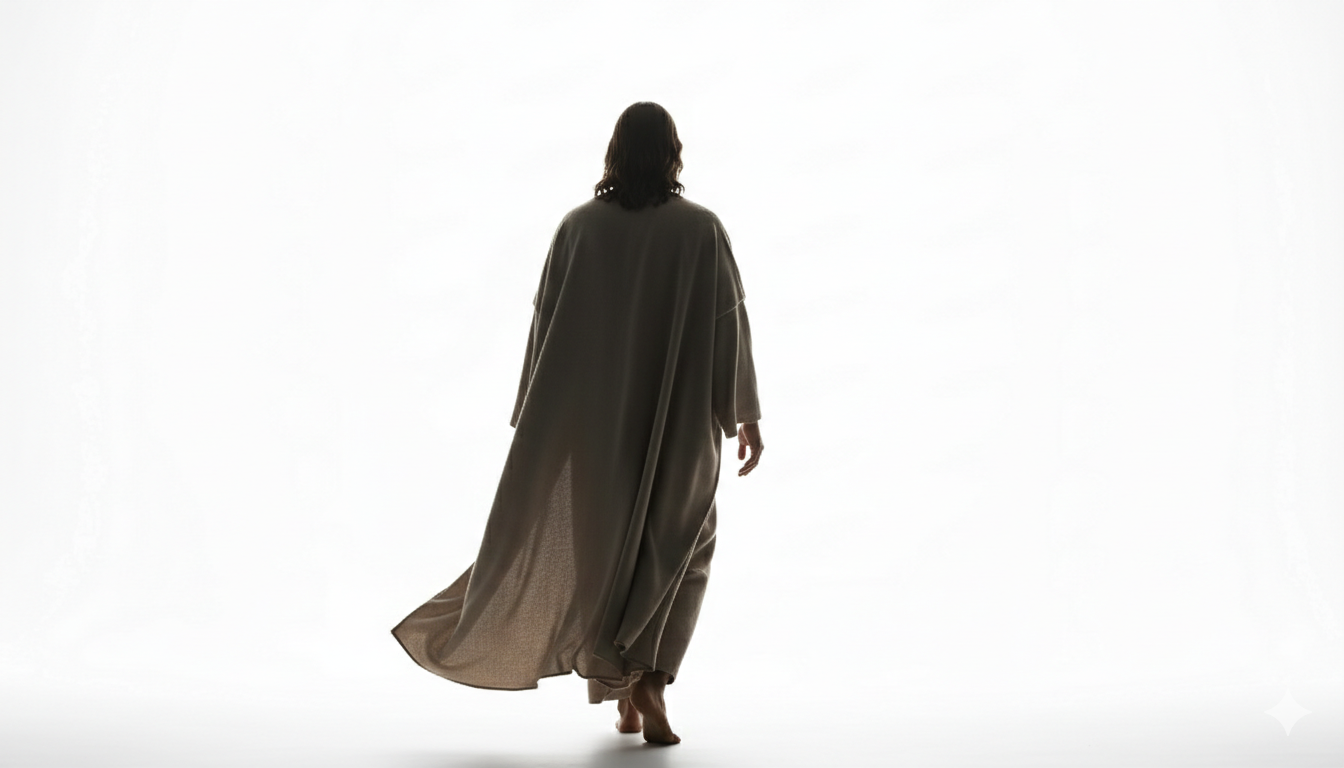
This is the incarnate son of God; this is our savior. The Jesus who cared for John in prison is the Jesus who cares for us and says, "Come to me all you who labor and are heavy laden and I will give you rest". So Lord Jesus, as we remember your lowly birth, your life of caring, your crucifixion for our redemption, and your provision for your mother, we come to you. We learn from you. You promise to save us. Amen
Corinthians





Who we are
Jesus is at the centre of all we do—and has been since our first services in 1872! We believe that the beauty, goodness and truth of Jesus are the balm our broken world needs today.
Wherever you are on your journey, there’s a place for you at Christ Church Lavender Bay.


